Visceral Images
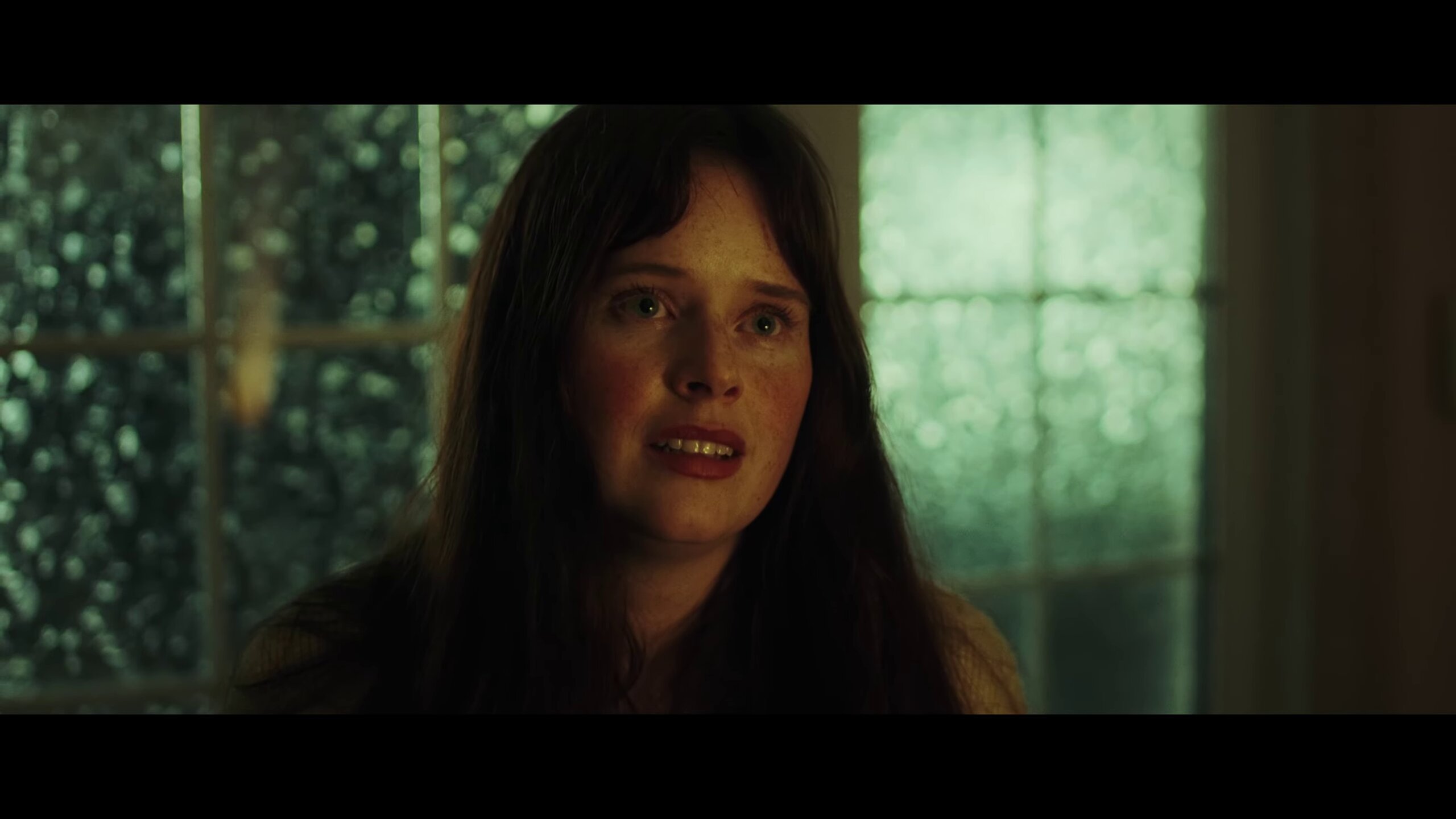
When Freya unwittingly hosts a group of radical activists on the eve of a stunt, she begins to suspect they have designs on her vulnerable younger sister. Directed by Edward A. Palmer. I served as co-producer on the project.
Associate Professor · Film, Television & Screen Industries

Office:
023 8201 6583
LinkedIn:
linkedin.com/in/stuartjoy
ORCID:
0000-0002-4588-6656
ResearchGate:
researchgate.net/profile/Stuart-Joy
Institution:
Southampton Solent University
East Park Terrace
Southampton, SO14 0YN
Department:
School of Creative Industries
I'm an Associate Professor of Film, Television and Screen Industries at Southampton Solent University, where I lead three BA Hons programmes : Film & Television, Television Production, and Post Production for Film and Television. My teaching is research-informed and practice-led. I bring my scholarship and my production work directly into the classroom.
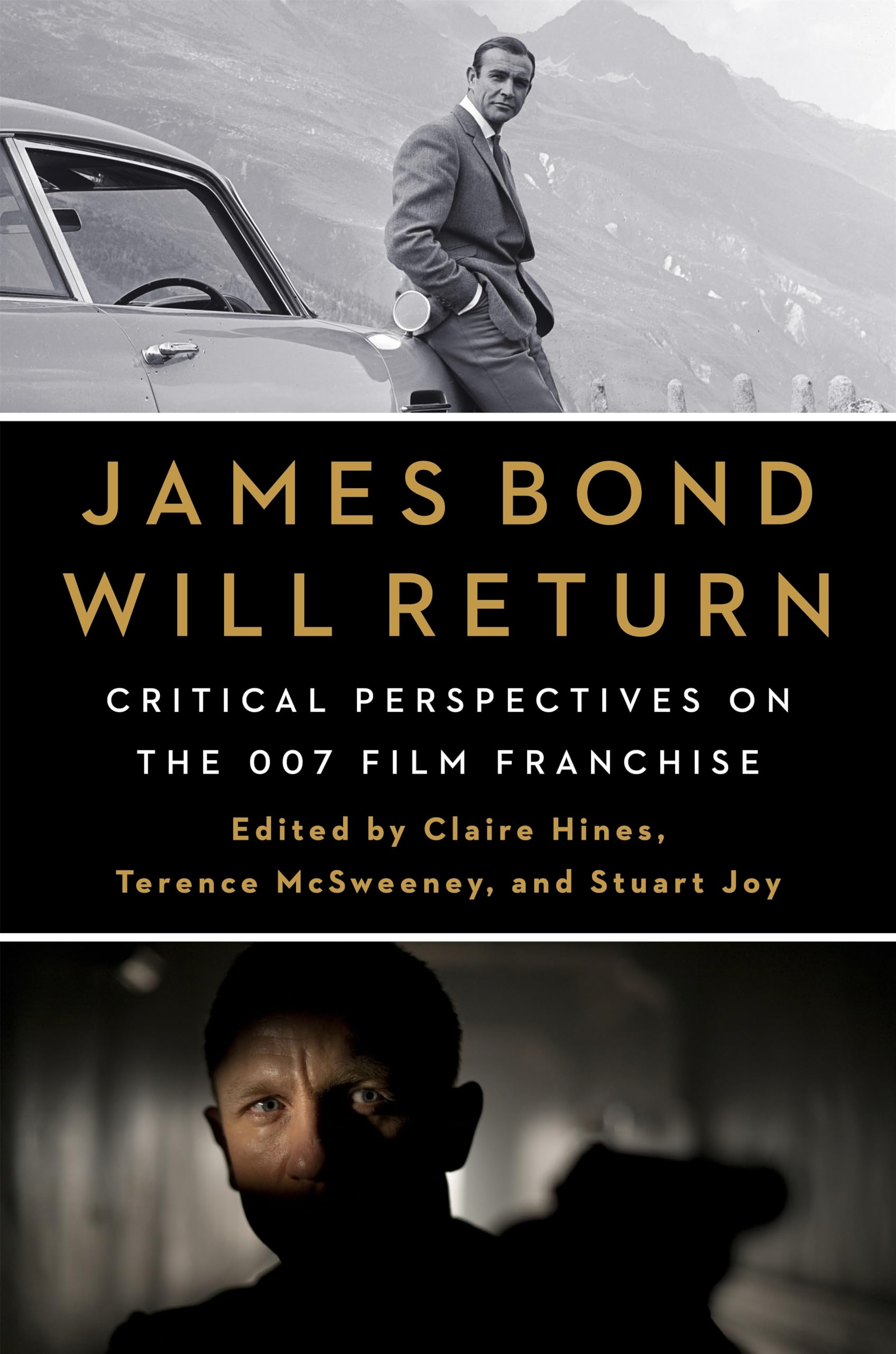
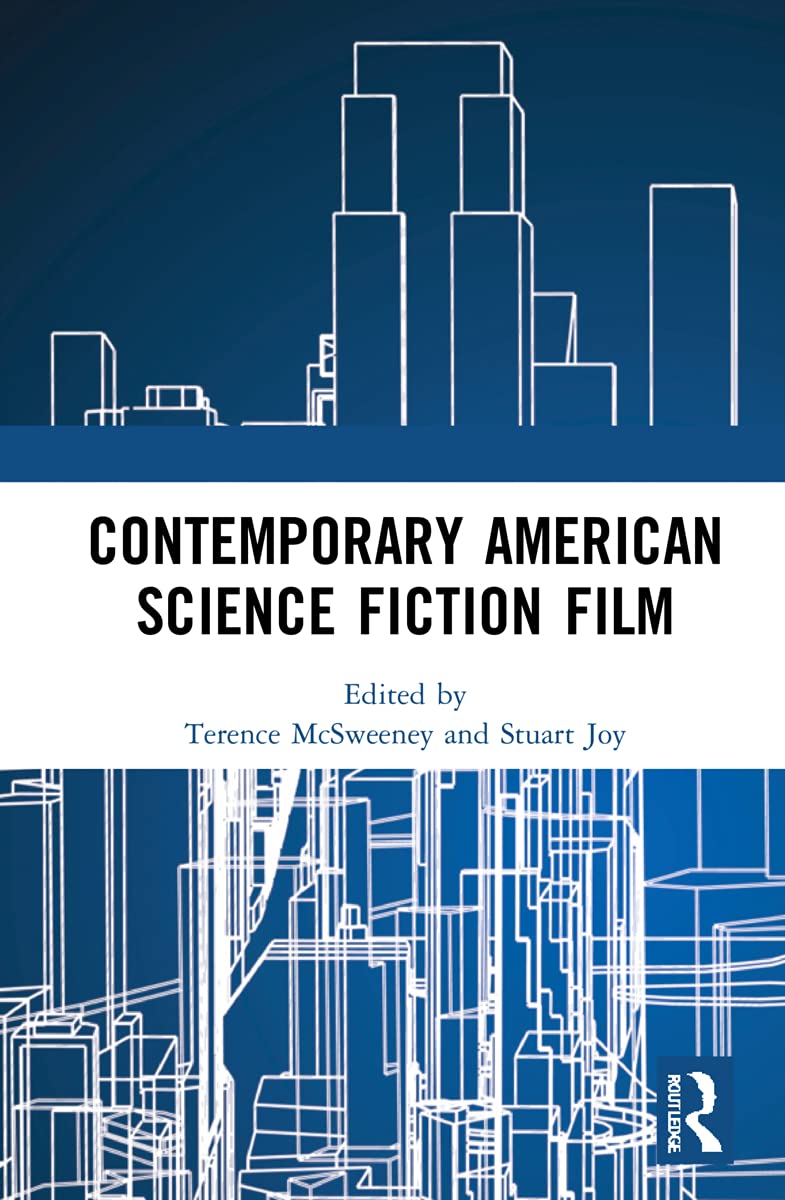
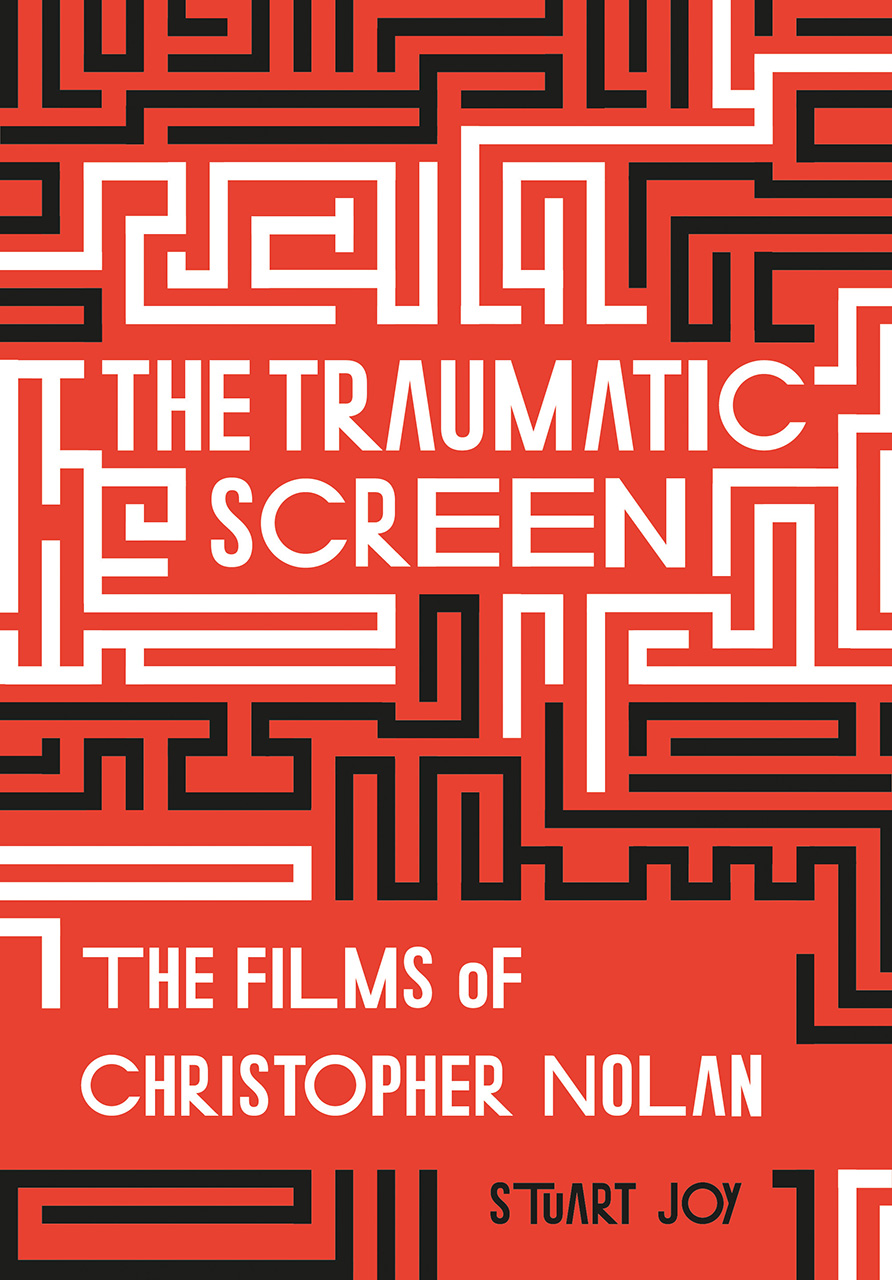
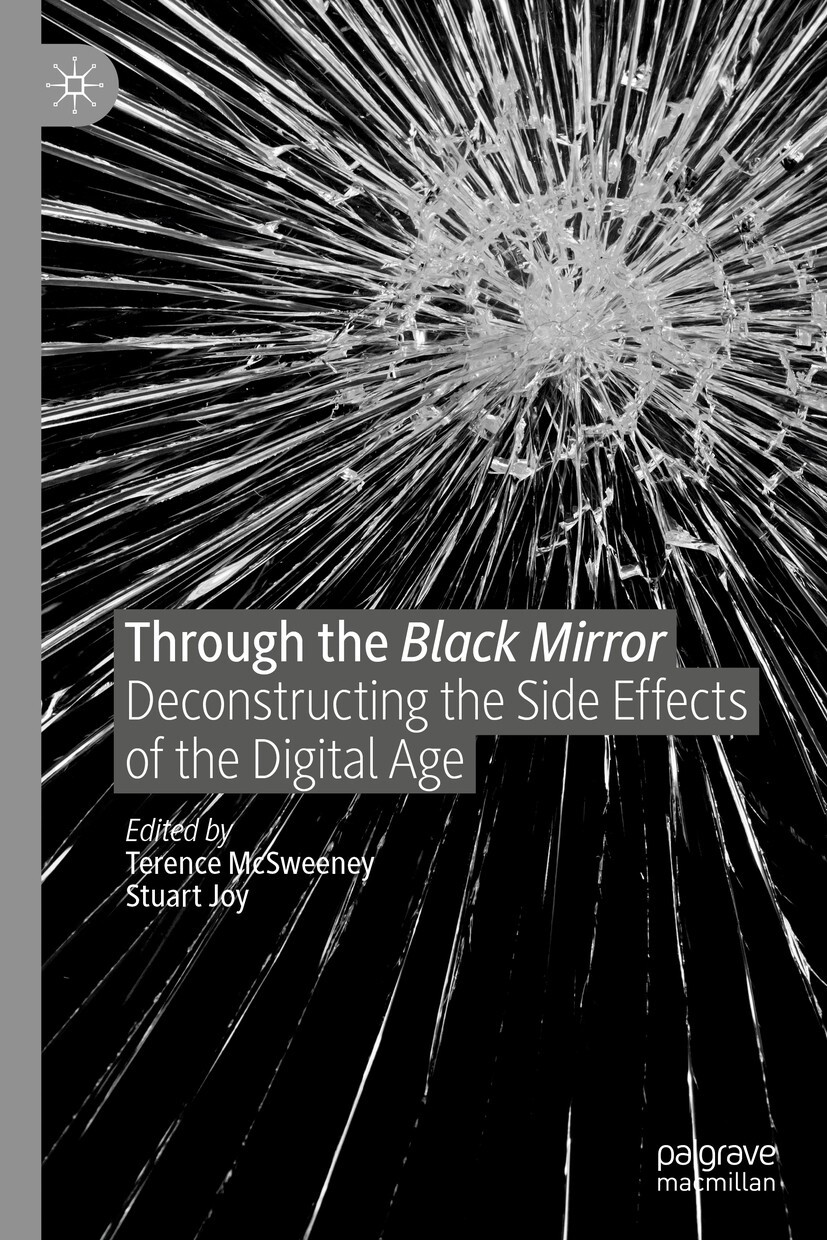
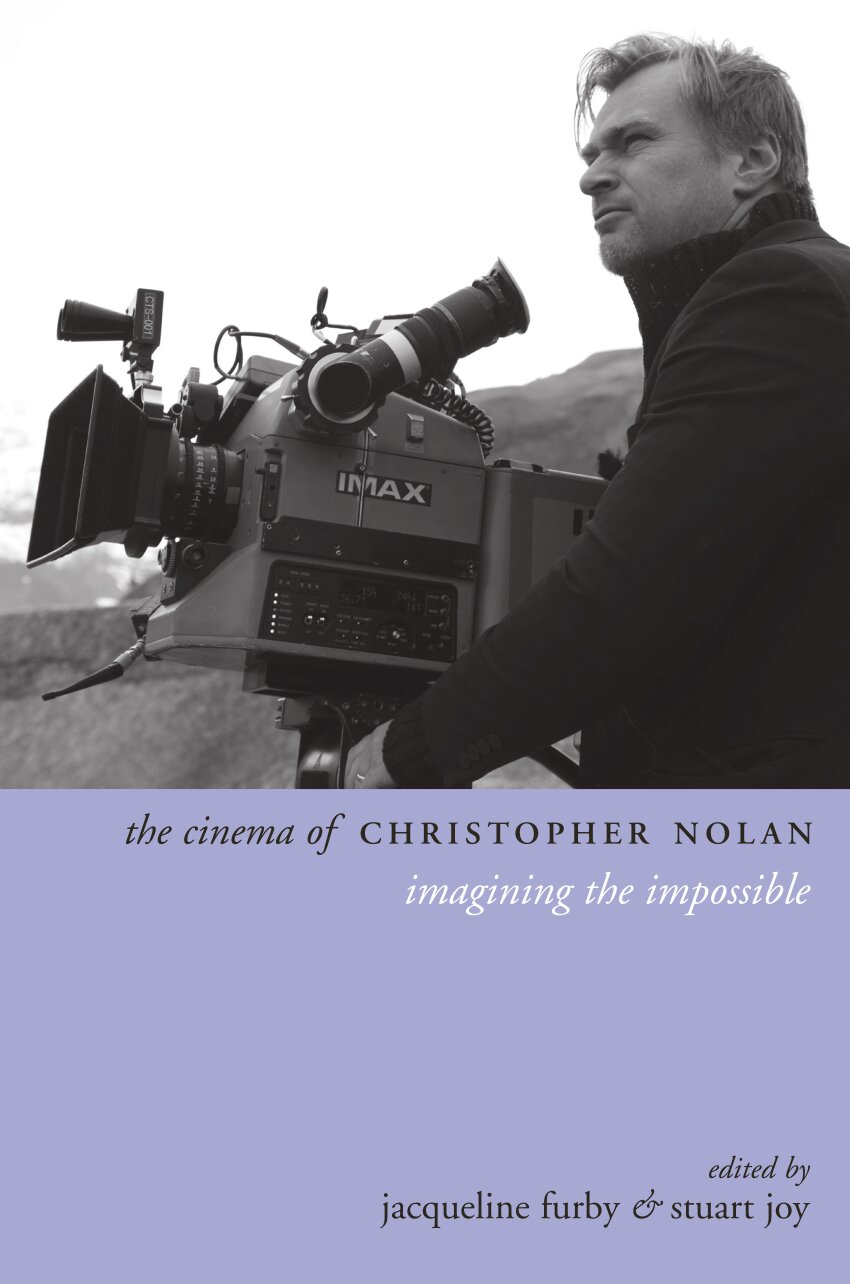
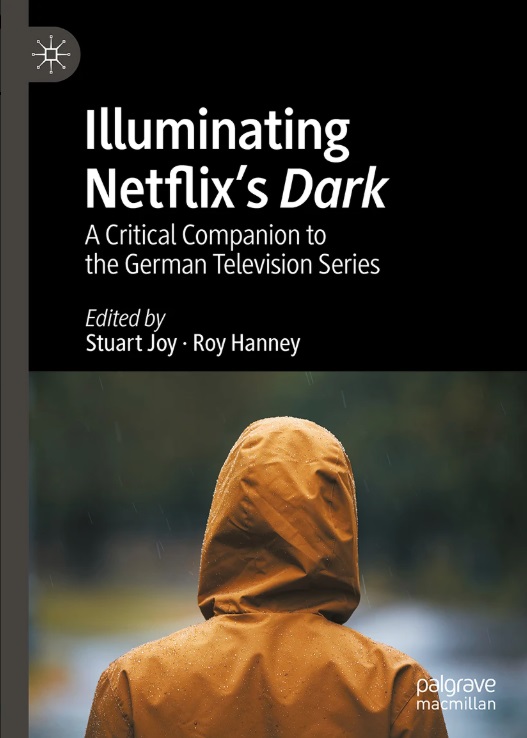
My research takes popular cinema seriously as a site of cultural meaning — : asking what films and television reveal about the societies that make and watch them. I wrote The Traumatic Screen: The Films of Christopher Nolan (Intellect, 2020) and have edited or co-edited volumes including The Cinema of Christopher Nolan: Imagining the Impossible (Columbia University Press, 2015), Through the Black Mirror: Reflections on the Digital Age (Palgrave Macmillan, 2019), Contemporary American Science Fiction Film (Routledge, 2022), James Bond Will Return: Critical Perspectives on the 007 Film Franchise (Wallflower Press, 2024), and the forthcoming Illuminating Netflix's Dark (Palgrave Macmillan, 2026).
I founded and co-direct the Contemporary Screen Studies Research Group, which has attracted over £75,000 in funded research and published with Palgrave Macmillan, Wallflower Press, and HarperCollins. I also review for Cinema Journal, Violence Against Women, and Science Fiction Film and Television.
Alongside my academic work I've produced for screen: co-producer on a feature film, executive producer on short documentary work, and producer of a live international broadcast. I also sit on the board of City Eye, Southampton's independent film organisation, and serve as Interim Chair.
Contemporary screen culture does not simply represent trauma. It structures how we experience and understand it. That is the thesis that runs through everything I do. Genre conventions, narrative structures, and formal choices are not neutral: they are the means by which a culture works through, or works to conceal, its anxieties about power, identity, and loss.
Trauma is a formal principle, not just a subject. My monograph The Traumatic Screen: The Films of Christopher Nolan (Intellect, 2020) demonstrates that trauma shapes temporality, point of view, and the conditions of audience identification, not merely the story being told.
Time is the medium through which trauma operates on screen. Across my work on Christopher Nolan's experimental shorts and mainstream features, Looper, For Your Eyes Only, and Netflix's Dark, temporal fracture, reversal, and collapse reveal private psychological experience and shared cultural anxiety as inseparable. Films and high-end television do not just depict the impossibility of escaping the past — they reproduce it structurally.
Representation is never neutral: it positions the viewer. My work on gender, power, and spectatorship demonstrates that what matters is not only what is shown, but where the audience is placed in relation to it. "Sexual Violence in Serial Form" (Feminist Media Studies, 2019) reveals Breaking Bad's moral ambiguity as structurally dependent on the marginalisation of women. "Shame, Stigma and Identification in 'Shut Up and Dance'" demonstrates how Black Mirror engineers complicity the viewer cannot easily disavow. My work on James Bond positions the franchise as a six-decade negotiation between durable masculine myth and feminist pressure.
I welcome enquiries from prospective PhD researchers working in any of these areas.
Contact MeI co-lead Mapping the Marvel Cinematic Universe, a funded research project examining one of the most commercially successful and culturally influential film franchises in history. We ask how representation of diverse identities has evolved across more than a decade of storytelling — looking at both the characters on screen and the creative teams who bring them to life, and what that tells us about who gets to be represented in popular culture.
A collaboration between Southampton Forward, Southampton Solent University, DoubleTake Studios and Light Up Trails, celebrating up to 50 "community legends" nominated by Southampton residents. I served as production coordinator alongside Nina Sverdvik, overseeing student support, facilities, and funding for a 10-minute projection displayed across Southampton's West Quay Wall and St Mary's Stadium over 11 nights in February 2025. Over 10,000 people saw it, and 11 Solent students from Film, Television, Photography, and Digital Music gained real production experience in the process.
For World COPD Day 2024 and 2025, I produced a 24-hour live international broadcast hosted at Southampton Solent University, bringing together healthcare professionals and patient advocates across 40+ countries and doubling viewership year on year. Students from Film, Television Production, and Live Event Technology ran the full technical operation: cameras, streaming, and audience engagement. The accompanying research publication "The Big Baton Pass: Did We Make a Difference?" (2024) examines what the project achieved in terms of behavioural change, global reach, and patient advocacy.
A series of short films about neurodiversity, made in collaboration with Theatre for Life and supported by BeeWell UK. Each film is built around personal testimony: people speaking directly about living with dyslexia, dyscalculia, dyspraxia, or ADHD. I produced alongside Michelle Smith and students from the BA (Hons) Film and Television programme, mentoring emerging filmmakers from development through to edit, and trying to make work that prioritises honesty and care over explanation.
A short documentary showcasing the transformative work of the NHS Meon Health Practice Wellbeing Team. Created by BA (Hons) Film and Television alum and MA Film Production student Alice Coburn, the film captures first-hand accounts of patients supported through social prescribing to address loneliness, bereavement, carer stress, and employment challenges. Developed in collaboration with Southampton Solent University, the project highlights the impact of tailored, community-based support and the value of creative partnerships between higher education and the NHS in advancing holistic healthcare.
Live performances of Bringing the Outside In were filmed through the coordinated involvement of BA (Hons) Film and Television students, delivering multi-camera coverage and professional-standard production. The project forms part of the Youth for Climate and Nature (YOUCAN) scheme, a partnership led by the New Forest National Park Authority and Theatre for Life, supported by a Climate Action Fund grant from The National Lottery Community Fund, the UK's largest community funder, situating student-led production within a nationally funded environmental and civic initiative.
Students from Southampton Solent University supported the launch of Totton Arcade by filming and photographing promotional content for the venue's website. The project exemplifies civic engagement in action: students applied their production skills in a real-world setting while helping a new local business build its public presence, strengthening connections between the university and the regional community.
Students from Southampton Solent University produced a 3–5 minute documentary for Meon Health Practice aimed at reframing public perceptions of NHS receptionists. Through personal testimonies and observational footage, the film humanised a role often misunderstood, highlighting the professionalism, empathy, and care reception staff bring to frontline healthcare. The project formed part of a socially driven media brief focused on public understanding rather than commercial promotion. By shaping narrative, tone and digital distribution strategy for social platforms, students engaged directly with a live public-health communication challenge, contributing to a more informed and empathetic local conversation about the realities of primary care.
My teaching is grounded in my research: what I'm writing about feeds directly into what I teach. I want the ideas in the seminar room to feel current, contested, and connected to the real world of screen production.
I've been teaching undergraduate film and media for over fifteen years, across modules that range from screen theory and criticism to short film production, global film cultures, and the business of the industry. I've been recognised with the SU Exceptional Teaching Award (2022) and multiple STAR Teaching & Staff Award nominations across seven consecutive years.
I got into teaching because I wanted students to have the experience I had, where a lecturer changed how you saw the world. I'm available, I'm responsive, and I take individual students seriously as people, not just as cohorts. If you are thinking about studying film or television at Solent, feel free to get in touch.
"Stuart's coordination exemplifies what effective academic-health partnerships should look like. He managed complex stakeholder relationships with professionalism, maintained rigorous standards around health messaging accuracy, and created space for meaningful student contribution."
Dr Ruth Barker
Senior Evaluation Manager, Health Innovation West of England
"Stuart dramatically increased the enjoyability and integration of university life for me, I had the pleasure of being taught and mentored by Stuart for 3 years at Solent University, of which Stuart regularly made himself available to give extra support to anyone who asked and ensured that his lectures were engaging and accessible. I am so thankful to have had the opportunity to be taught by Stuart."
Phoebe Cowin
BA (Hons) Film and Television Graduate 2024

"Stuart brings strategic thinking and genuine passion for regional film culture to the City Eye board. His contributions have strengthened our programming decisions and expanded our reach into educational partnerships."
Susan Beckett
Executive Director, City Eye
"Stuart is one of the best lecturers I have ever had. In his seminars everyone's opinion mattered, and I participated in some of the best film discussions. Often 20 films and TV series were mentioned within 1 seminar, which gave the topics he taught us even more context. I've never been so surprised with anyone's knowledge of so many different films and TV shows as I have been with Stuart's. However, more importantly his seminars created an environment where you could be wrong and would still learn a lot, where your own understanding of the world would widen. Outside of the lecture hall, Stuart was the most responsive lecturer, and he went above and beyond for all his students, supporting them through the most difficult times, showing them new opportunities and assisting them with their studies, careers, and even giving advice with personal problems."
Kalina Atanasova
BA (Hons) Film and Television Graduate 2023

"Stuart was a very knowledgeable man and a fantastic course leader. He provided excellent lecturing and engaging seminars, keeping studies enjoyable and informative. He showed excellent leadership during the pandemic and managed to keep the course exciting and working efficiently despite this. Overall, very kind and intelligent and was always there to offer the best support to anyone on the course with fast responses regardless of circumstances. Highly recommend being taught by him."
Elliot Fletcher
BA (Hons) Film and Television Graduate 2021
"I absolutely loved being taught by Stuart. His obvious passion for the subject really connected with me and encouraged me to challenge myself on the course. I thoroughly looked forward to his seminars as they were filled with poignant, thought-provoking discussion and with Stuart's guidance I was able to explore the more advanced themes and topics of the subject with ease. I achieved very high grades from Stuart's module and only wish more of my educators had been like him."
Geo James (née West)
BA (Hons) Television Production Graduate 2014

"Working with Stuart has been inspiring and deeply respectful. He approached the projects with a commitment to ethical storytelling, listening to participants and valuing their voices."
Michelle Smith
Artistic Director, Theatre for Life
When Freya unwittingly hosts a group of radical activists on the eve of a stunt, she begins to suspect they have designs on her vulnerable younger sister. Directed by Edward A. Palmer. I served as co-producer on the project.

A dynamic exploration of the representation of the wars in Iraq (2003-2011) and Afghanistan (2001-) in world cinema. Directed by Terence McSweeney, this documentary argues that films function as resonant cultural artefacts that shape our understanding of contemporary conflict. I served as executive producer on the project.
SU Exceptional Teaching Award (2022)
Recognised for outstanding teaching practice and student engagement by the Students' Union.
STAR Teaching & Staff Award Nominations (2013-2019)
Multiple nominations across seven consecutive years for excellence in teaching and student support.
Senior Fellow of the Higher Education Academy (SFHEA)
Senior Fellowship recognising sustained and strategic leadership in teaching and learning in higher education, including mentoring colleagues and contributing to pedagogical innovation at institutional level.
British Association of Film, Television and Screen Studies (BAFTSS)
Member of the leading international association promoting film, television and screen studies research and teaching excellence. BAFTSS represents academic and professional interests to the academy, government, funding agencies, and cultural industries while fostering best practice in research and postgraduate training.
Download Dr Joy's complete academic CV for detailed information on publications, presentations, teaching experience, and professional activities.